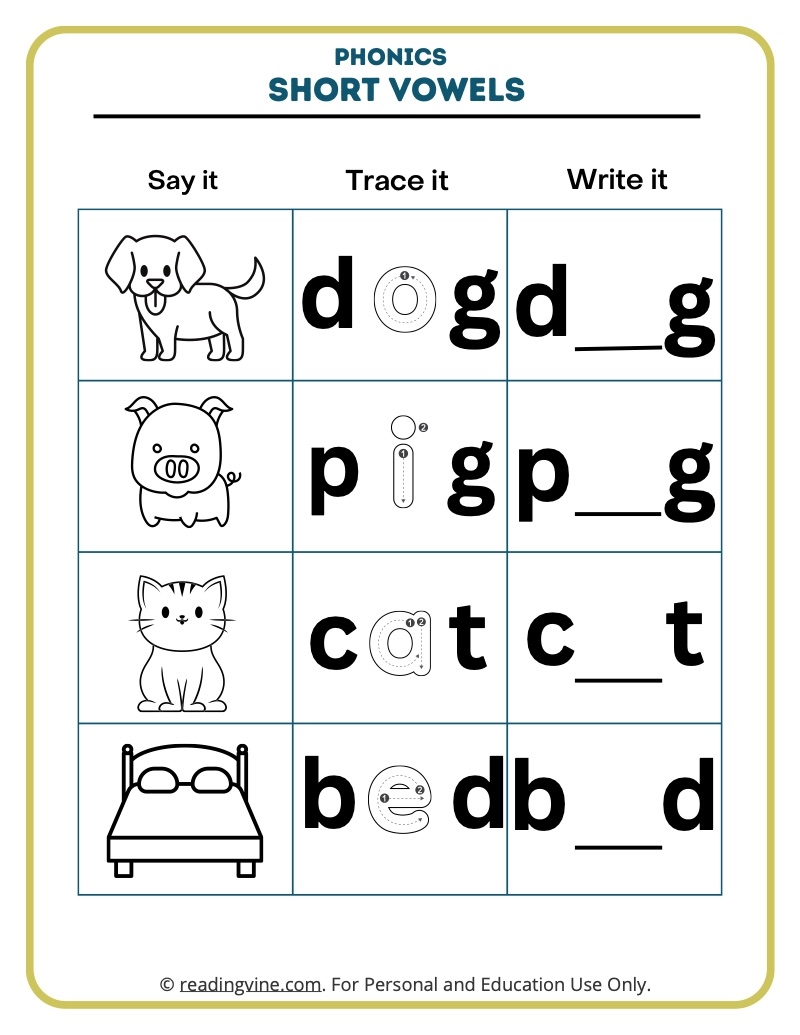
Short vowel sounds are the building blocks of early literacy skills. Teaching children to recognize and differentiate between short vowel sounds is essential for developing their reading and spelling abilities. One effective way to reinforce these skills is through the use of worksheets. These worksheets provide engaging and interactive activities that help children practice and master their short vowel sounds.
Short vowel sounds are the sounds that are made when a vowel is followed by a consonant in a word. For example, in the word “cat,” the short vowel sound is the ‘a’ sound. Short vowel sounds are found in many common words and are crucial for young learners to understand in order to become proficient readers.
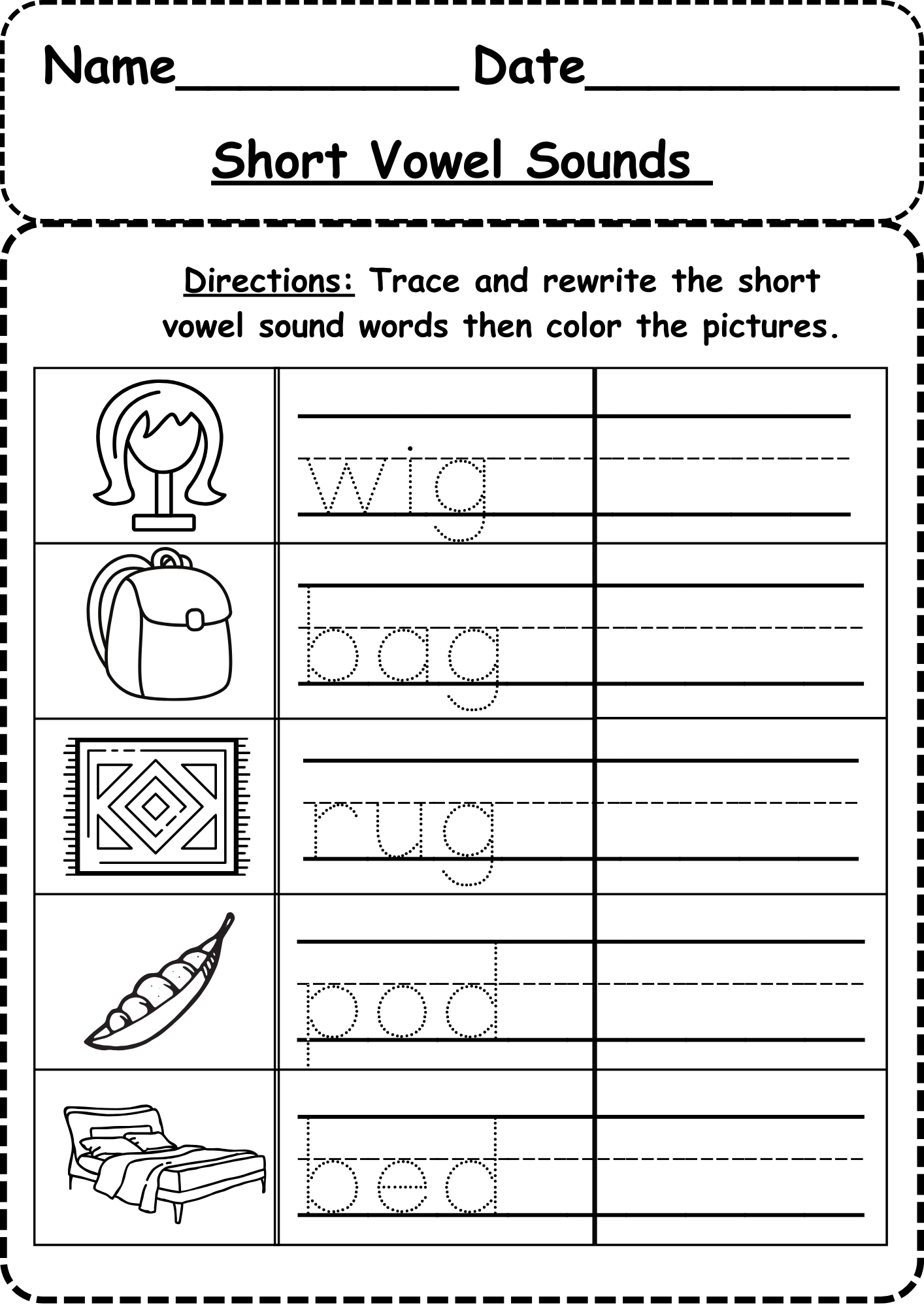 Short Vowel Sounds Worksheets
Short Vowel Sounds Worksheets
Short vowel sounds worksheets typically include a variety of activities to help children practice identifying and differentiating between short vowel sounds. These worksheets may include matching activities, fill-in-the-blank exercises, word searches, and more. By engaging in these activities, children can improve their phonemic awareness and develop a strong foundation for reading and spelling.
One common activity found in short vowel sounds worksheets is matching words with their corresponding short vowel sounds. Children may be asked to match words like “cat,” “dog,” and “pen” with the correct short vowel sound. This activity helps children practice recognizing the sounds of vowels in different words and reinforces their understanding of short vowel sounds.
Another activity that is often included in short vowel sounds worksheets is fill-in-the-blank exercises. Children may be given a sentence with missing short vowel sounds and asked to fill in the correct vowels. This activity challenges children to apply their knowledge of short vowel sounds in context and helps them improve their spelling skills.
In addition to matching and fill-in-the-blank activities, short vowel sounds worksheets may also include word searches. Word searches provide a fun and engaging way for children to practice identifying short vowel sounds in a variety of words. By completing word searches, children can reinforce their understanding of short vowel sounds while also developing their vocabulary.
In conclusion, short vowel sounds worksheets are valuable tools for helping children practice and master their short vowel sounds. By engaging in activities like matching, fill-in-the-blank exercises, and word searches, children can improve their phonemic awareness and develop essential literacy skills. These worksheets provide a fun and interactive way for children to strengthen their understanding of short vowel sounds and become confident readers and spellers.